Importance of forests


Forests are vital to life on Earth. They purify the air we breathe, filter the water we drink, prevent erosion, and act as an important buffer against climate change. Forests offer a home to much of the world’s diverse array of plants and animals and provide essential natural resources from timber and food to medicinal plants. Forests also support the lives of local communities and help them to thrive.
But forests around the world are under threat. Despite the key role forests play in the world’s environmental and economic health, we continue to lose forests, along with the endangered animals that live in them. In 2020, the tropics lost more than 12 million hectares of tree cover. That’s roughly 30 soccer fields’ worth of trees every single minute. Illegal logging, poor forest management practices, and growing demand for forest and agricultural products contribute to their rampant destruction. Deforestation is especially severe in some of the world’s most biologically diverse regions, such as the Amazon, Borneo and Sumatra, the Congo Basin, and the Russian Far East. As a result, nearly half the world’s original forests have been lost.
WHY IT MATTERS
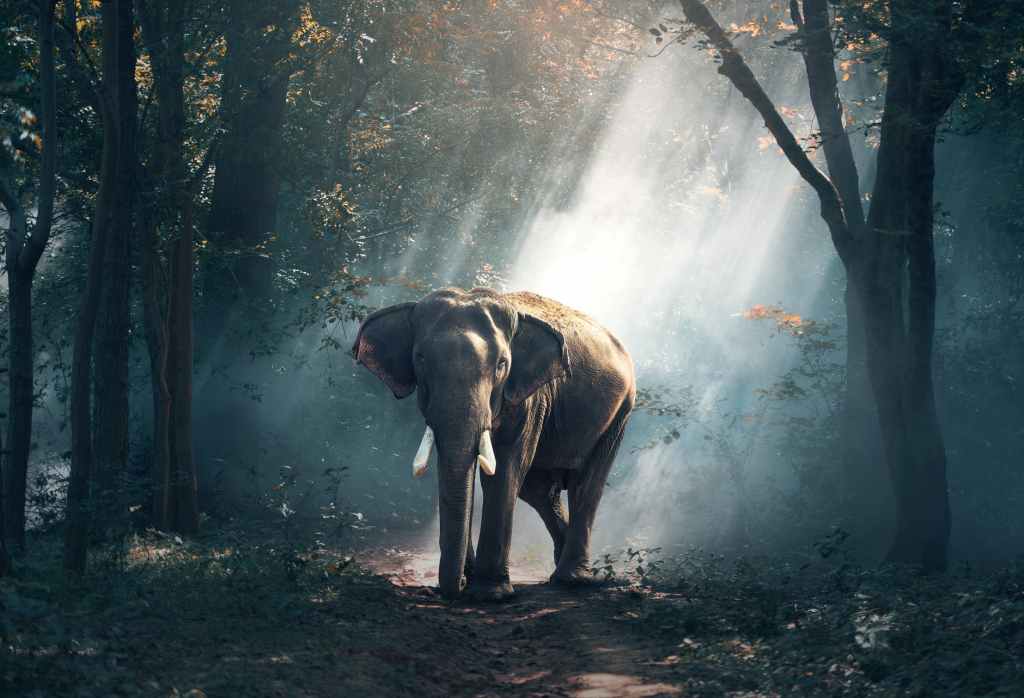
Forest provide invaluable ,environmental , social and economic benefits to us all. Many of the world’s most endangered animals depend on forests for their survival. These forests also contribute directly to the livelihoods of 90 percent of over one billion people that live in extreme poverty. They play a central role in the world’s economic health, as the forest industry generates over $186 billion in global trade in primary wood products to supply the growing population of consumers around the world
IMPACTS
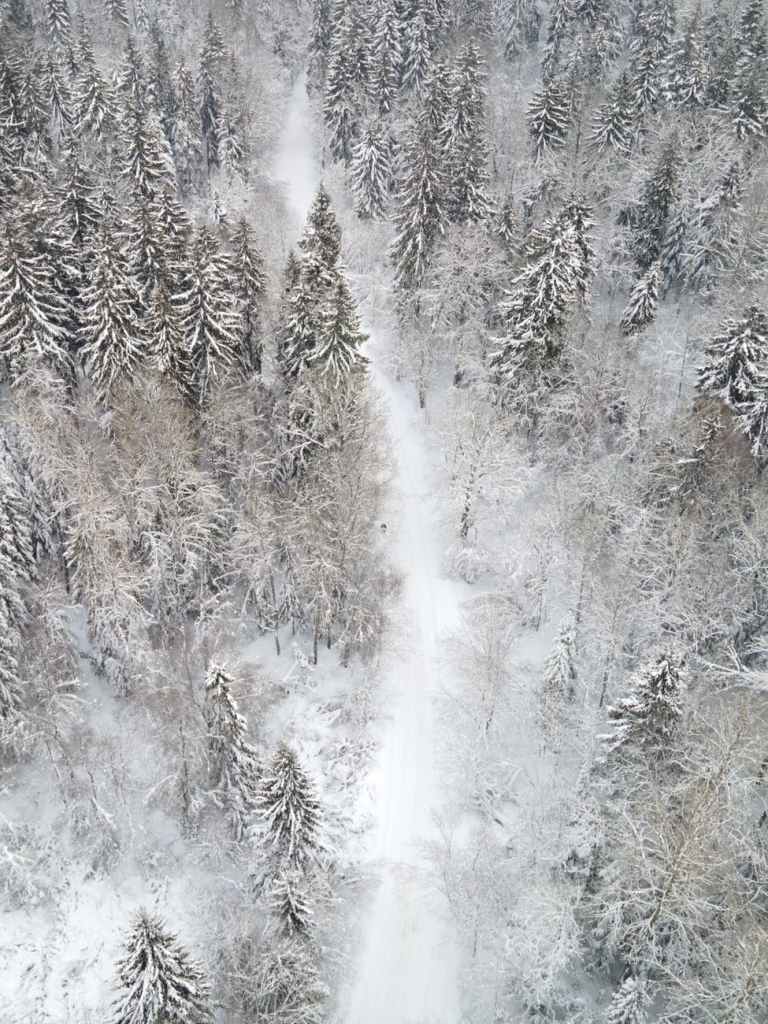
Much of the world’s forest loss is driven by conversion of natural forests to other land uses including pulp, palm oil and soy plantations. Deforestation and degradation from illegal and unsustainable logging, fires and fuelwood harvesting can imperil wildlife, jeopardize people’s livelihoods, and intensify climate change.
DISRUPTED LIVELIHOODS
Millions of people rely directly on forests for food, medicine, fuel and shelter through small-scale agriculture, hunting and gathering, and harvesting forest products. Poorly managed forests deprive such communities of healthy livelihoods.
Effects of climate change
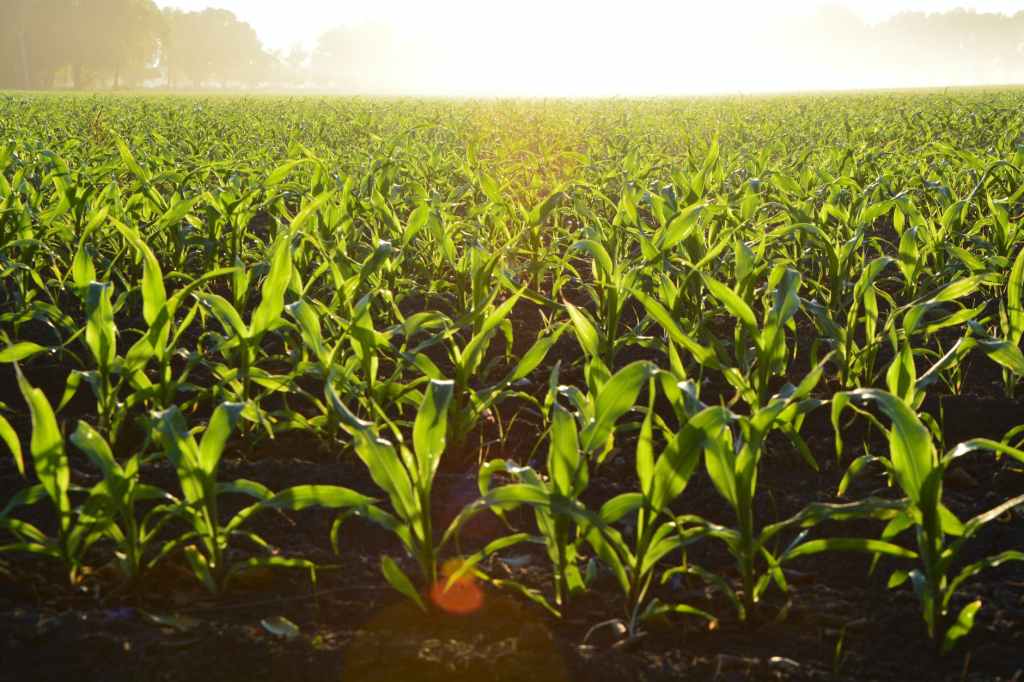
Deforestation represents 15% of global greenhouse gas emissions, which contributes to climate change. Greenhouse gases are released when forests are destroyed or degraded by activities such as illegal and unsustainable logging and from land conversion for agriculture.
SOIL EROSION AND WATER CYCLES
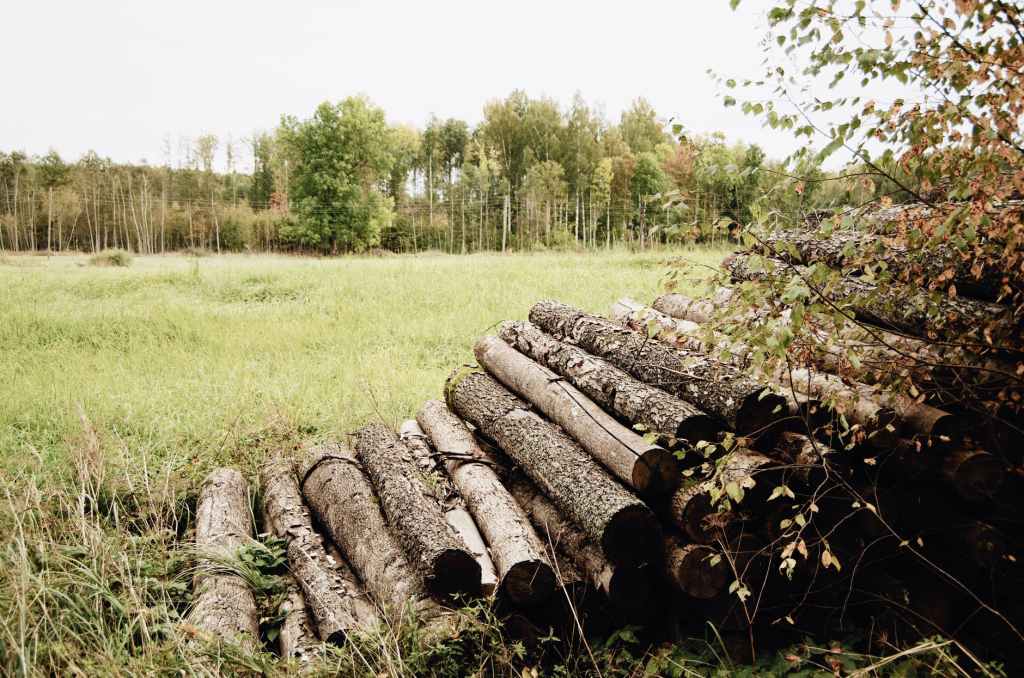
Poor forest management promotes soil erosion by increasing runoff and reducing the protection of the soil provided by tree litter. When tree cover thins, damp soils of the forest floor heat up and dry out, changing the forest’s delicately balanced ecosystem.
Biodiversity loss
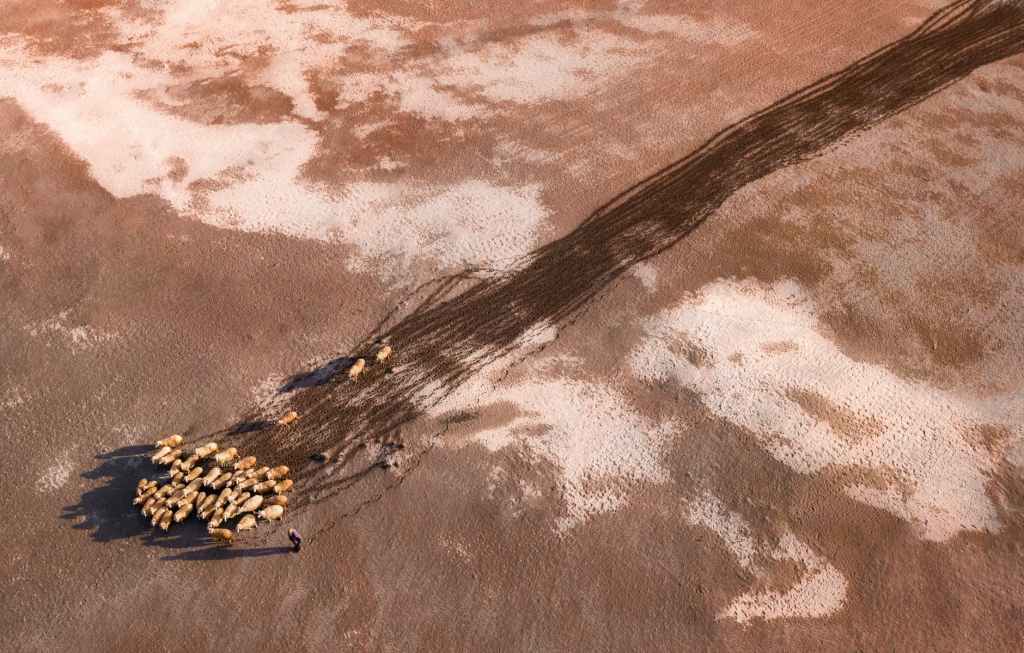
When forest cover is removed, biodiversity can be severely impacted. For wildlife this can mean loss of shelter, food sources and migration routes. Human-wildlife conflicts such as hunting and poaching increase as habitat shrinks and new logging roads extend into previously unlogged areas. About 80% of the world’s documented species can be found in tropical rainforests, which means deforestation threatens a majority of the Earth’s biodiversity.
WHAT WWF IS DOING
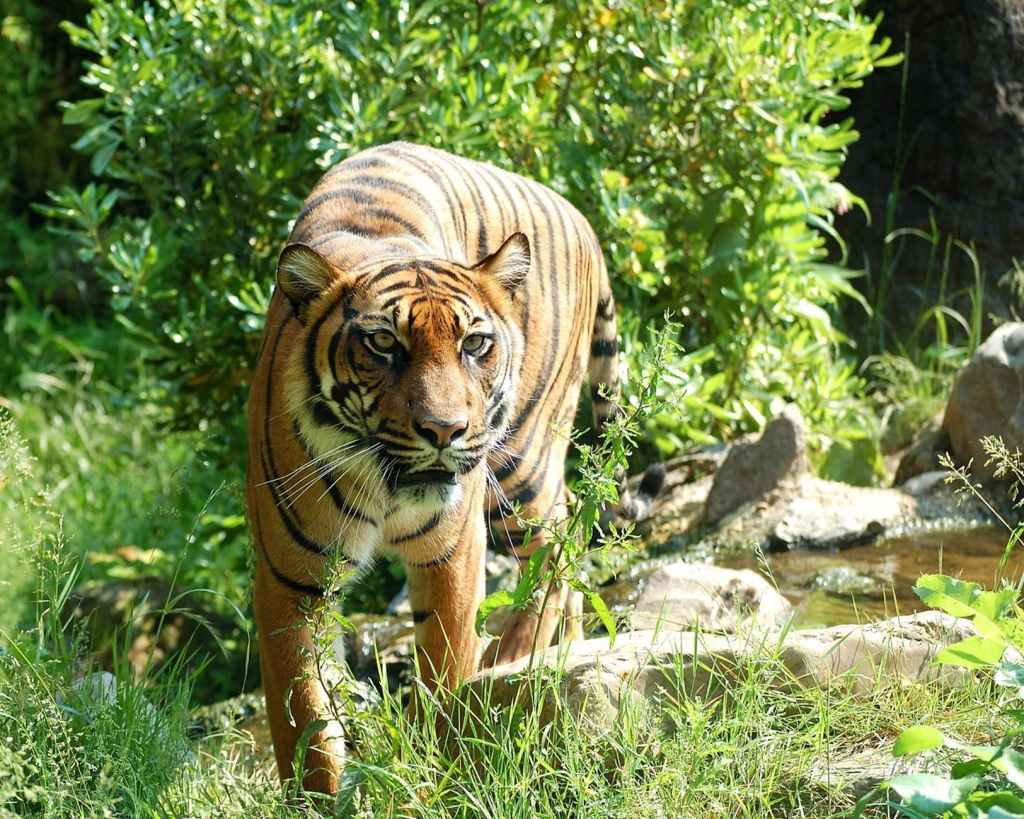
Big problems require bold solutions. WWF advocates for Zero Net Deforestation and Forest Degradation by 2020. This means no net forest loss through deforestation and no net decline in forest quality through degradation. This ambitious goal requires engaging with many industry sectors that impact forest health, to reduce their forest “footprint.” Markets for timber, wood products, and pulp and paper obviously affect forests, but many other industries such as palm oil, soy and beef play important roles too. Consumers also play an essential role, by choosing wood and paper products that are from responsibly managed forests.
PROTECTING THREATENED FORESTS
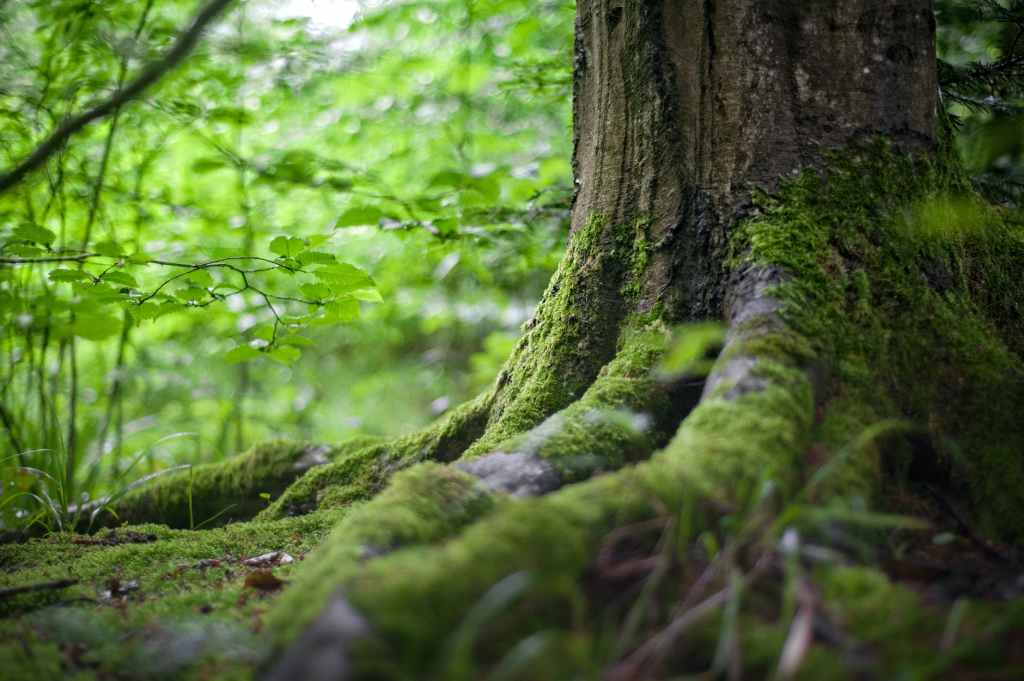
Only around 13% of the world‘s forests are protected, and many of these are still threatened from encroachment and degradation. WWF encourages the establishment of new protected areas and the creation of networks of protected forests and corridors between them. These networks improve the forests’ resilience, allow animalsand plant life to access, migrate, disperse across multiple areas, and ensure that healthy ecosystems thrive.
TACKLING THE DRIVERS OF DEFORESTATION
Forests Forward is a new WWF corporate program that engages companies around the world to help them reduce their forest footprint and support other on-the-ground actions—like forest restoration—to keep forests thriving for people, nature, and climate.
The program is a one-stop shop for companies looking to implement best practices around nature-based solutions to deliver on their sustainability and business goals. Drawing on our deep expertise in forests, science, and climate, WWF works with companies on both long-term and near-term strategies and collaborations that have lasting benefits—not only for the companies but also for local communities.
Restoring degraded forest
WWF works in places including Borneo and India in partnership with local communities to return degraded forests to a more natural state, which requires much more than just planting new trees. Improved water quality, soil stabilization, access to food, medicines and raw materials, and stable sources of income for local people also need to be restored.
 With god all things are possible